

Youth Online Support Strategies: Empowering Our Future
- CARLENE LUCKE

- Feb 23
- 4 min read
In today’s fast-paced world, young people face challenges that can feel overwhelming. From economic hardship to emotional trauma, the hurdles are many. But there is hope. We have powerful tools at our fingertips - online support programs designed specifically for youth. These programs offer a lifeline, a safe space, and practical help. Let’s explore how these digital resources can transform lives and build resilience in our communities.
Understanding Youth Online Support Strategies
When we talk about youth online support strategies, we mean the ways in which digital platforms and programs are used to provide guidance, counseling, education, and community connection to young people. These strategies are not just about technology; they are about creating meaningful, accessible, and effective support systems.
Why are these strategies so important? Because many young people today live in environments where traditional support may be limited. Economic hardship can restrict access to in-person services. Trauma can make it difficult to reach out. Online programs break down these barriers by being available anytime, anywhere.
Some key elements of effective youth online support strategies include:
Accessibility: Programs must be easy to find and use on various devices.
Confidentiality: Privacy is crucial to encourage honest communication.
Engagement: Interactive tools like chat rooms, video calls, and forums keep youth involved.
Cultural Sensitivity: Programs should respect and reflect the diverse backgrounds of participants.
Professional Support: Trained counselors and mentors must be available to guide youth.
By combining these elements, we create a digital environment where young people feel seen, heard, and supported.

How Online Support Programs Make a Difference
Imagine a teenager in Langley who feels isolated due to family struggles and financial stress. They might hesitate to talk to someone face-to-face. But with a few clicks, they can connect to an online support program tailored to their needs. This immediate access can be a game-changer.
Online support programs offer:
Emotional Support: Through chat or video counseling, youth can express feelings and receive empathy.
Educational Resources: Workshops on coping skills, mental health, and life skills empower youth to take control.
Peer Connection: Forums and group chats help young people find others who understand their experiences.
Crisis Intervention: Immediate help is available for those in urgent need.
These programs are designed to be flexible. Whether a young person needs a one-time conversation or ongoing support, the digital format adapts to their pace.
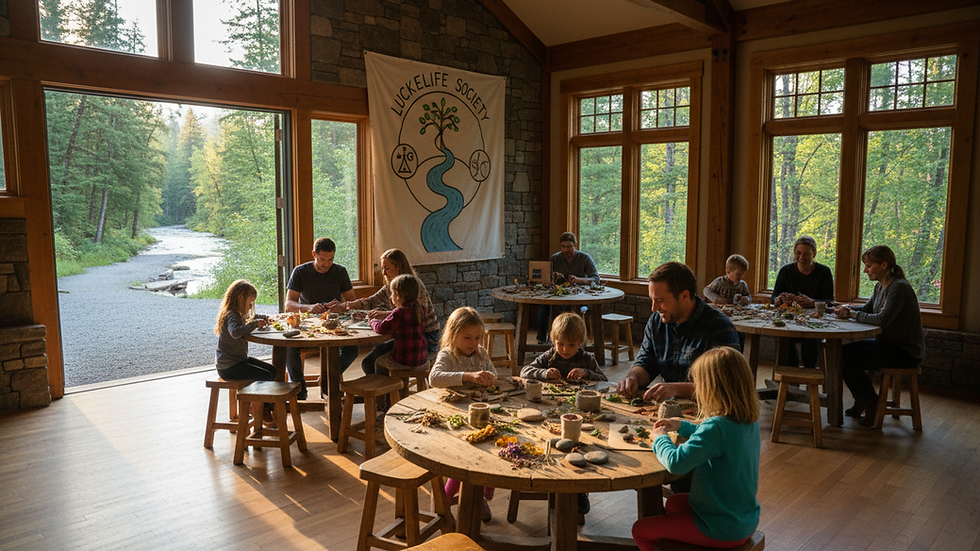
One standout example is the online youth support programs offered by LuckeLife Society. They focus on Langley families, providing culturally sensitive, trauma-informed care that respects the unique challenges faced by this community.
Practical Tips for Engaging Youth in Online Support
Getting young people to use online support programs can be tricky. We need to meet them where they are and speak their language. Here are some practical recommendations:
Promote Through Trusted Channels: Schools, community centers, and social media platforms popular with youth are great places to share information.
Use Clear, Inviting Language: Avoid jargon. Use friendly, encouraging words that invite participation.
Offer Incentives: Small rewards or recognition can motivate youth to engage regularly.
Ensure Mobile Compatibility: Many young people access the internet primarily through smartphones.
Provide Training for Staff: Counselors and moderators should be skilled in digital communication and youth culture.
Encourage Family Involvement: When appropriate, involve parents or guardians to create a supportive home environment.
By implementing these strategies, we can increase the reach and impact of online support programs.

Overcoming Barriers to Access
Despite the benefits, barriers still exist. Some youth may lack reliable internet or devices. Others might fear stigma or mistrust online services. How do we overcome these obstacles?
Community Partnerships: Collaborate with local libraries, schools, and nonprofits to provide free internet access and devices.
Awareness Campaigns: Normalize seeking help by sharing stories and testimonials.
Privacy Assurance: Clearly communicate how data is protected and confidentiality maintained.
Cultural Competence: Tailor programs to reflect the values and languages of the community.
Flexible Scheduling: Offer support outside traditional hours to accommodate different lifestyles.
Addressing these barriers is essential to ensure no young person is left behind.
Building a Resilient Future Together
We are at a pivotal moment. The challenges facing youth today are complex, but so are the solutions. By embracing youth online support strategies, we can create a safety net that catches those who might otherwise fall through the cracks.
LuckeLife Society’s mission to empower Langley families is a beacon of hope. Through proven prevention models and vital funding, they are building a community where every young person has the chance to thrive.
Let’s commit to supporting these efforts. Whether you are a parent, educator, or community member, you can play a role. Share resources, advocate for funding, and encourage young people to seek help when they need it.
Together, we can turn the tide on trauma and hardship. The future is bright when we invest in our youth today.
If you want to learn more about how to support young people through digital programs, visit online youth support programs and discover the resources available in Langley.


Comments